Our Blog - Ways to help animals


Welcome to our blog which will will have all sorts of news, stories, appeals and more!   

 RSS Feed

  1. One of Portugal’s largest animal sanctuaries is being built in the central Algarve.

    The sanctuary will consist of 3 rescue centres, jointly able to offer refuge to 600 animals in all in the boroughs of Loulé and São Brás de Alportel.

    The recently formed Animal Rescue Algarve is behind the project and British businessman and animal lover Sidney Richardson has launched Animal Rescue Algarve and brought the project to life.

    Animal Rescue Algarve has a mission to help abandoned animals in Portugal


    “Our mission is to help abandoned and sick animals by providing veterinary treatment, neutering, socialising and re-homing them” Richardson explained. 

    Work on the Cabanita rescue centre should complete in October, whilst the second rescue centre was unanimously approved by the municipal assembly on Monday 25 June.  This second centre should be completed within 8 months.

    The third phase is waiting for approval from the local council.

    ARA is very concerned that it treats animals with dignity, respect and comfort, so they are building a modern re-homing centre from scratch with an eco-friendly design.   Even the sewage system is eco-friendly as all the waste from the dogs goes to a container that filers the detritus.  This means the sanctuary can both save water and reuse it in other works.

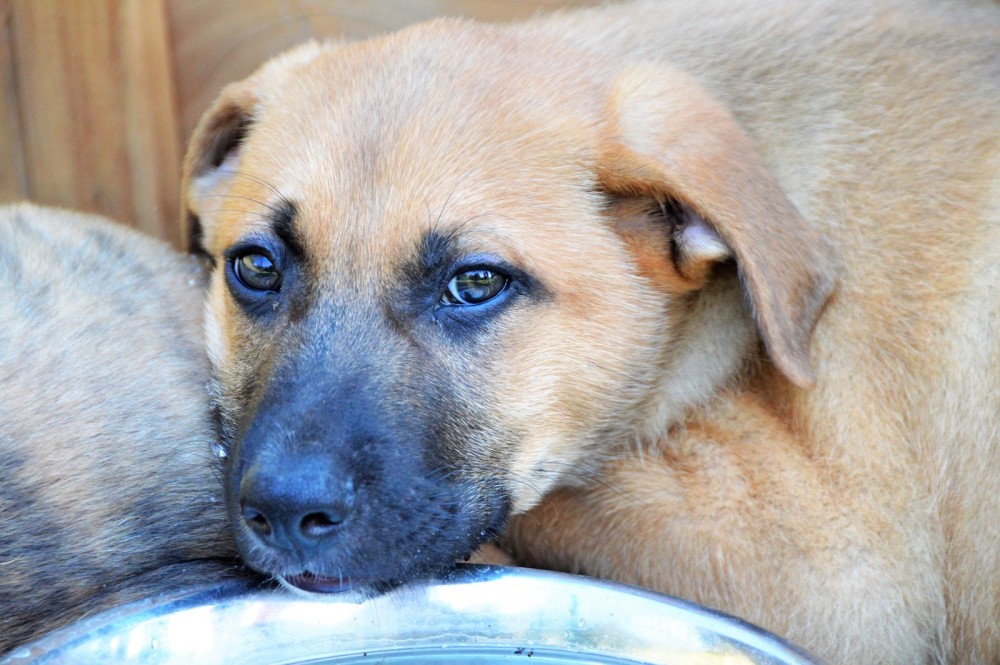
    Sidney is looking for his Forever Home

    The facilities will include a reception, veterinary practice with operating theatre, sections for puppies, adults and senior dogs, a quarantine area, a training ground to allow for interaction between volunteers and animals, and a cat shelter.  Accommodation for employees and volunteers will ensure the rescue centre is efficiently run and surveilled around the clock.  Volunteers from abroad can help with daily tasks in exchange for accommodation and food.

    There are about 10,000 abandoned animals in Portugal and the sanctuary appreciates it cannot help them all and it pays tribute to the other rescue centres in Portugal are working with very limited resources to help animals.

    Support will be needed to help the ARA with on-going income to help care for the animals and look after them, so donations and volunteers are very welcome.

    And it wants to raise awareness of the importance of neutering in the local area and to allow the public to visit and volunteer to enable the animals to socialise with people.   They hope to allow local school children to visit the shelter and see what work it does and how much love and companionship caring for animals can give people.

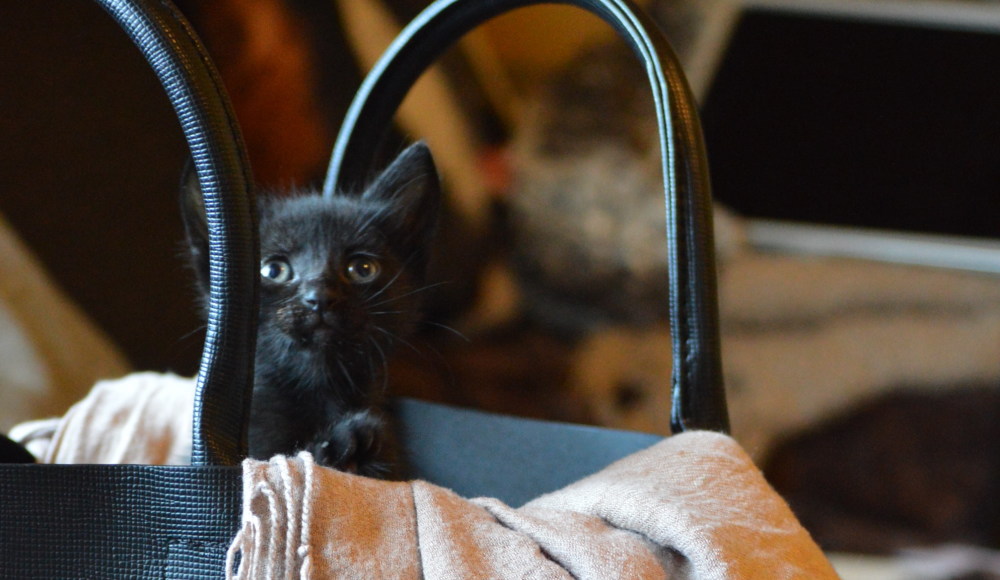
    This kitten was found in a parking lot with her brother

    Richardson is doing an amazing thing by spearheading the project.   He came to Portugal from Essex 25 years ago, attracted by the climate and lifestyle and his passion for golf.  And 12 years ago, he rescued a dog who has become his best friend and changed his life.  “Instead of leaving a substantial sum of money in my will, I decided to use some of it now and see this project through,” he says.

    Which just goes to show there’s no point in waiting for the right time to help animals around the world.  The right time is now to get out there and make a difference.  

    We wish the Animal Rescue Algarve sanctuary well.   You can find out more here and donate here.

    Animal Rescue Algarve is registered charity 514692049, and registered in the council of Loulé in Faro.   Its registered name is Abrigo dos Animais and the charity name is Animal Rescue Algarve.

    Images ©Animal Rescue Algarve

  2. We hear a lot more about recycling and reusing things these days so here's an interesting one for you:

    Panda poo is to be turned into tissue paper.

    A company situated in Sichuan in China hopes to market our love of pandas into a niche form of toilet tissue, napkins and other household products

    The China Giant Panda Protection and Research Center in Sichuan has signed an agreement with Qianwei Fengsheng Paper to offer panda poo and food residue to the company, which will be turned into products we can use.

    The food residue and panda poo from the bases in Dujiangyan, Wolong and Bifengxia are used to extract bamboo fibers.   Pandas help the company extract fibre during the digestion process and it leaves the fibre in its poo. 

    Adult pandas can eat 12 to 15 kg of bamboo.   About 4 hours later, that becomes 10 kg of poo.   And pandas can generate about 50 kg of bamboo reisdue every day, when they eat as they spit out bamboo husks after chewing.

    After being collected, the poo and residue will be boiled, pasteurised and turned into paper, it will be tested for bacteria before going on sale.

    So turning this food residue and panda poo into tissue helps the Panda Research Centre to deal with the waste.   


  3. Going on holiday provides a good opportunity to tackle cruelty, whether you're on a gap year, going on a round- the-world trip, heading off the beaten track for a couple of weeks or simply going away for a short break. 

    Over the years, the RSPCA International has received hundreds of complaints from tourists who have seen animals cruelly exploited.  For instance, stories of horses collapsing from exhaustion while taking tourists on carriage rides around parks and towns in tremendous heat, or donkeys carrying people who are really far too heavy for them abound.   

    To Mark World Responsible Tourism Day, the RSCPA came up with a number of Do's and Don'ts to follow when away, and to help people make choices which can make a real difference to animals.   

    Please don't....

    Take selfies with a monkey 
    Photographers asking for money may walk around offering pictures with a baby chimp or monkey.  These animals are usually taken illegally as babies from the wild for this purpose.  Their parents may have been killed to steal the baby.  

    Buy animal souvenirs 
    Many markets and stalls sell caged birds and other small animals.  Snake or scorpion wine could be made from an animal stolen from the wild and drowned in alcohol.  It's generally illegal to import wildlife products such as ivory, tortoise shell, coral and animal skins into the UK and other countries without the appropriate permit - but rather than buy such products, why not give a donation to an animal charity locally instead? Or one based in your own country which helps animals in the country you've just visited? 

    Cuddle big cats -
    Lions and tigers are wild animals.  If you are able to get close enough to them, its probably because they'e been sedated first.  This is often the case with snakes, chimps and monkeys as well - and they may be left out in the sun all day without food and water, as tourists take photos with them. 

    Ride elephants 
    Elephants are often kept in terrible conditions when they aren't carrying toursits around.  In Thailand, more and more tour operators are offering riding experiences - please don't support these.  Baby elephants are often stolen from the wild and beaten until compliant;  breaking techniques mean they are chained and tortured until their spirit breaks..   Bullhooks can be used to keep them in check which can cause them much suffering. 

    Get in the saddle -
    Avoid riding donkeys, horses, or camels if you suspect any form of cruelty. Many work long hours without food or water or shade in the searing heat.  

    Run with bulls -
    In Spain, Portugal, Mexico and France there are local festivals where locals and visitors run with bulls, and other fiestas which involve considerable animal suffering. Stay away from bullfighting at all costs.  Taking part in it will only encourage it to continue.

    Catch waves with a dolphin 
    Swimming with dolphins may seem like a fantastic idea, but unfortunately they are often in a very small area and swimming with people can be stressful.  Many are taken from the wild and kept in captivity which in itself shortens their lives.  

    And now the do's..

    Get to know nature 
    Watch animals at a safe distance and give them the space they need.  Talk to tour operators about how the animals are treated and show an interest in local conservation efforts.  Ask about codes of conduct they stick to in order to make sure the animals aren't negatively affected by toursits. 

    Volunteer -
    There are conservation projects and holidays worldwide which aim to preserve and promote animals and their habitats.   Make sure you're doing with an ethical and effective organisation. 

    Support local charities
    Find out about which charities operate in the area you're going to before you go, check them out and see how you can help them while you're there, or when you get home.  My husband and I volunteered for a morning at a dog and cat charity near Malaga and went to visit the Donkey Sanctuary's centre north of there on holiday to show support.  It was far more interesting and rewarding than shopping or sitting on a beach. 

    Ask questions 
    Ask how animals are being cared for, where meat in your dinner comes from and if it is endangered. Reputable businesses should be able to give you satisfactory answers.

    I also think it's important to tell people about the good things happening to help animals.  In Marrakech, we spotted SPANA's work with the caleche horses, giving them water (for which they've won an award) and it was great to tell people about it when we got back.   

    For more information, visit the RSPCA

    Responsible Travel has lots of volunteer holidays listed on its ethical travel directory.